Homeschool Reading Lists: Creating a Reading List Perfect for Your Family
Assigned reading lists v. free choice can be a hot topic. Which is better? And how do you create a homeschool reading list?
In our early years of homeschooling, I religiously used homeschool reading lists from Ambleside Online and Sonlight. But I didn’t leave much room for free choice reading.
Even if my reading list considered my kiddo’s preferences, where’s the fun in just browsing a bookshelf and letting books find you?
Introducing a variety of genres, voices, and styles, though, is essential to me.
I’ve adapted my style to meet these desires as the years have passed.
RELATED 20+ of the Best 20th Century Historical Fiction Books

Assigned Reading vs. Free Reading
I have three very different reading-personality kiddos. Until fourth or fifth grade, I let my kiddos choose their books for school reading time — any genre & any level. I wanted them to enjoy stories and build the habit of reading every day.
Yes, they sometimes chose books below their level. And guess what? That built fluency & speed. And feelings of accomplishment.
Sometimes they chose books above their level. And guess what? They learned to tackle large words, they learned to reread sections, and they learned to look for subheadings.
Beginning in fifth grade, I create a reading list for them. We alternated between the reading list & books they chose on their own. I don’t have a set way to do this; it varies by the kiddo and, frankly, my mood! By middle school, I aimed for most of their books to come from my list.
Even as they choose from the list, I don’t dictate which ones to read. I want them to keep that ownership…just from a designated list.
Choosing Books for Your Homeschool Reading List
Honestly, I don’t have a real system.
I scan reading lists (my favorites are below). I add favorites from my youth or those I’ve read as an adult. Must-read recommendations from friends and trusted homeschoolers make their way onto my lists.
And then, of course, their likes and dislikes influence the titles on the list. I try to make each reading list include a variety of genres, time periods, locales, and perspectives. I also try to include books of varying lengths & even some books that are below their level.
Who doesn’t benefit from the sense of accomplishment when you quickly finish a book?? Don’t choose one that is too simplistic, but don’t be afraid to go below their level, either. Remember, easier-to-read books mean that students can place more focus on what they’re reading if they don’t have to figure out how to read it.
Since we use a mixture of reading lists & free choice reading, I don’t add titles that my kiddos suggest.
Homeschool Reading Lists
- Excellence in Reading is a solid list of classic books
- Great American Read (not homeschool specific, so use discretion)
- Lit-based curriculum reading lists such as Bookshark, Build Your Library & Torchlight
- We Are Teachers is fantastic for recommending new books.
- A Mighty Girl thoughtfully curates book lists that celebrate women. I find ideas for myself here and fiction & non-fiction books for our homeschool.
- While not a reading list, HistoricalNovels is a great place to search for books by time period & location.
How many books go on our reading list?
In high school, in addition to our regular assigned books for literature, we also had to read an additional book each quarter. We had a long list of books we could choose from, but it had to come from that list.
When it came time to create reading lists for my kiddos, I used that as my model. If I’m assigned a book, I automatically open it with skepticism. But if I can choose from a list? Perfect!
My homeschool reading lists include about twice as many books as I expect they’ll read each year. I always have summaries of the books, but I never include pictures of the cover.
(I’m totally one to choose a book by the cover, so I try to avoid passing that trait along!)
I load each book into a reading list on our library’s website. As they select a book, having it on the library’s site makes it easy for me to request a hold on it.
Do audiobooks count?
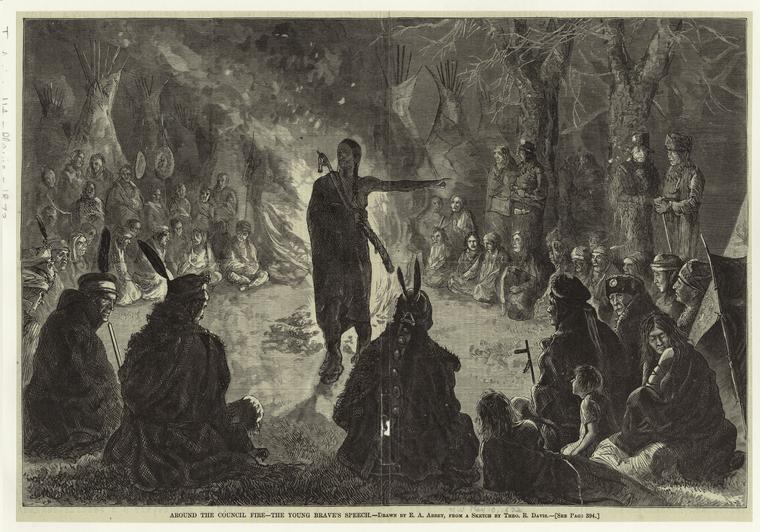
Before the advent of printed books and literacy for the masses, did we question if people could listen & understand stories told orally? Did we doubt their ability to understand them well enough to pass them down to the next generation? Of course not!
Why should that be any different now?
My kids devour audiobooks. For my kiddo who has different reading challenges, we use a combination of print books and audiobooks. I firmly believe there is value in reading print books, but I also want to help meet that child’s needs.
I’m embarrassed to admit it, but I resisted audio-reading instead of print-reading for years. If I’m a good homeschooler, my kids will love print reading, right?? I’ve since decided that meeting my kiddo’s needs is far more important than what some other homeschoolers might believe.

What about book reports or tests?
I want my kiddos to fall in love with whatever they’re reading. I don’t want their focus to be on finding the ‘right’ answers. For their elementary years, my focus is just the joy of books.
As my daughter entered middle school, with an eye on high school, I began engaging her more in discussion and oral analysis of the books and characters. Occasionally, we’d do a book packet/literature guide.
I plan to do the same this year with my sixth-grader. He is the kiddo who loves to read above all else, so I’ve been even more hesitant to structure his books around written work. But I understand that, come high school, he’ll need to engage in written analysis and discussion on his books. We’ll gently move into that over these next three years.

About Tricia
Tricia is a 40-something mom to three. She loves Netflix, people, and laughter. And she firmly believes that homeschooling should include all three.
After years of ‘doing life’ — homeschooling, military life, homemaking — like others, she’s charting her own way… and loving it!
Don’t Miss These


When you buy through links on my site, I may earn an affiliate commission. My goal is to keep this site 100% reader-supported and free of ads or sponsorships. Your purchases help me make this possible. Thank you! Read more here.